Comprehensive Guide to Waste Recycling Companies and Their Services
Waste recycling companies play a crucial role in managing waste and promoting sustainability. They provide essential services that help communities reduce landfill waste, conserve resources, and protect the environment. This comprehensive guide explores the various services offered by waste recycling companies, the mechanisms behind eco-friendly waste disposal solutions, and the best practices for recycling construction debris. Additionally, we will discuss how to choose reliable recycling service providers and highlight the latest trends and statistics in the waste recycling industry.
Understanding the services provided by waste recycling companies is vital for individuals and businesses looking to make environmentally responsible choices. This article will delve into the specific offerings of these companies, the benefits of eco-friendly waste management, and the importance of selecting trustworthy service providers. We will also examine current trends in waste recycling, providing insights into the industry’s future.
What Services Do Waste Recycling Companies Offer?
Waste recycling companies offer a variety of services designed to manage different types of waste effectively. These services include collection, sorting, processing, and recycling of materials, which are essential for reducing the environmental impact of waste. By utilizing “local recycling centers” and specialized electronic waste management processes, these companies contribute significantly to community sustainability efforts.
Local Recycling Centers: Roles and Service Areas
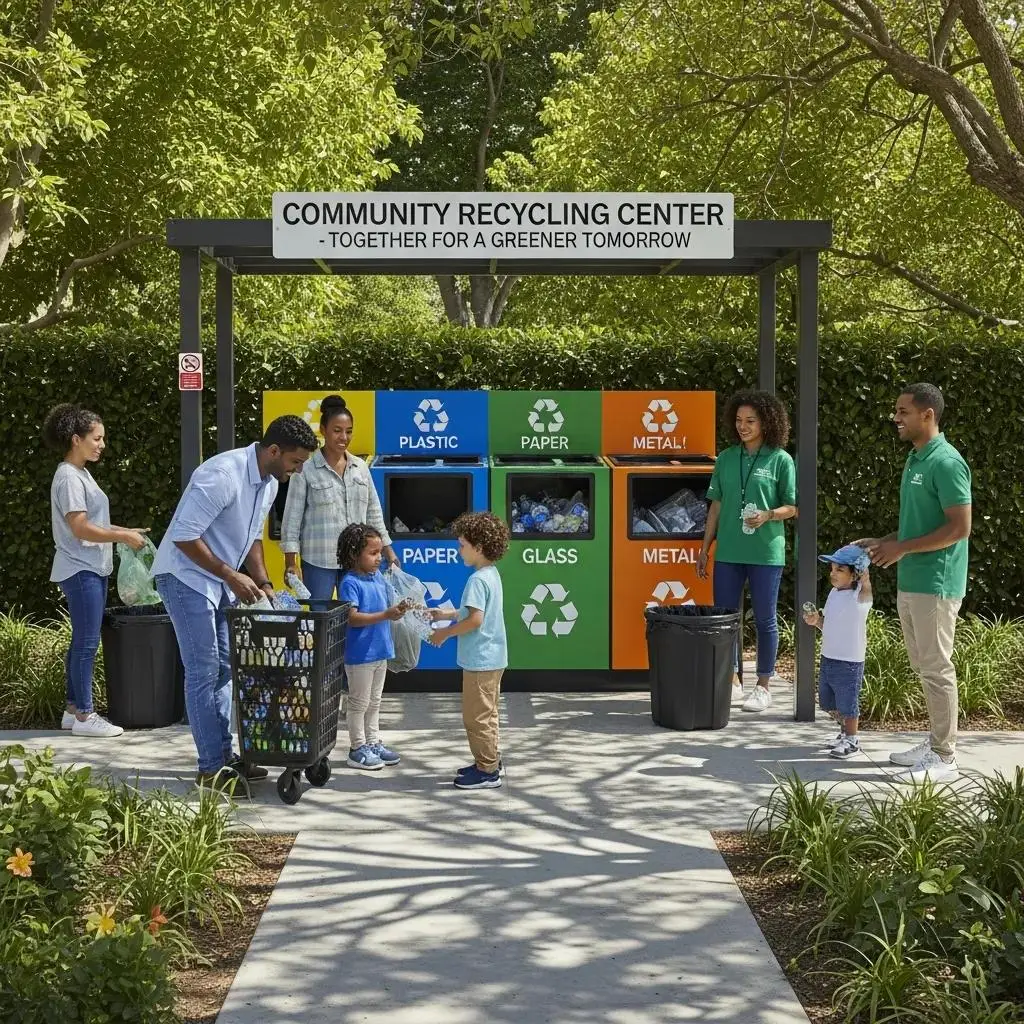
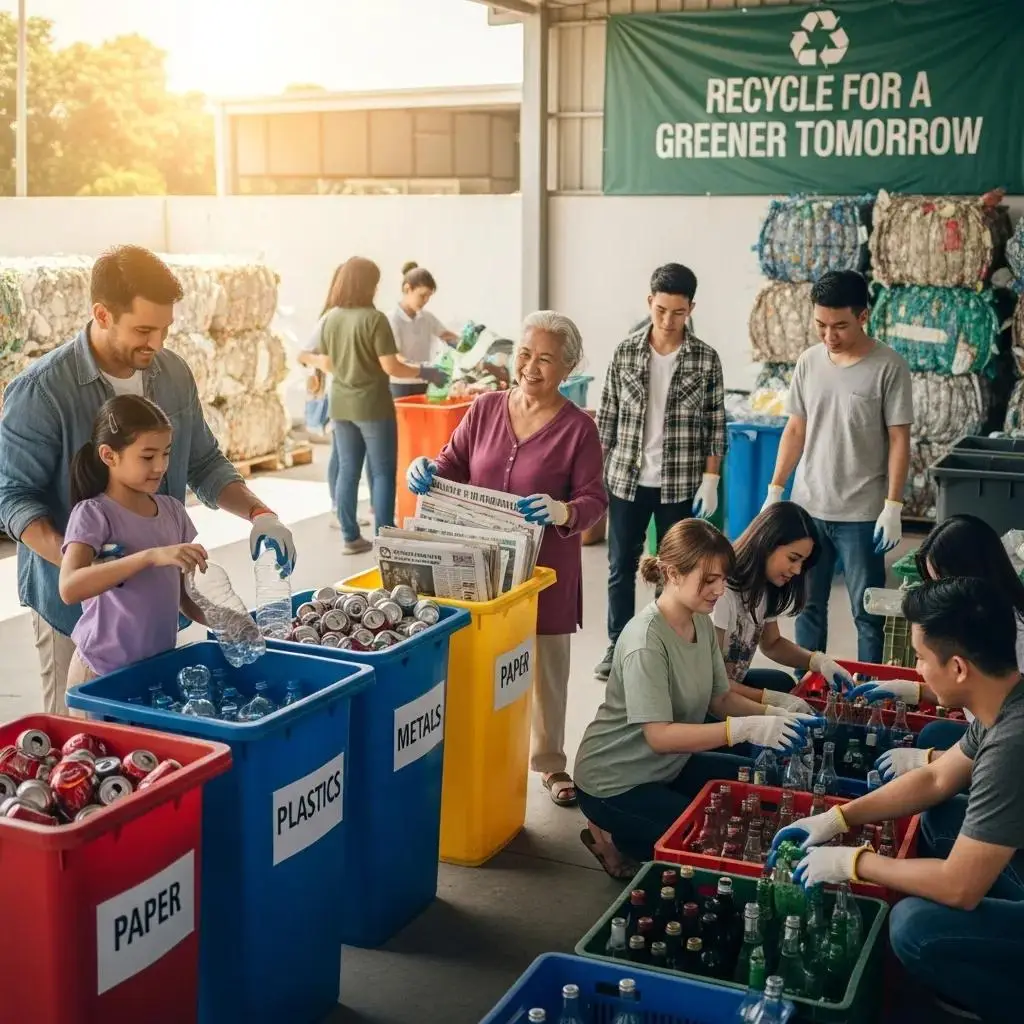
Local recycling centers serve as the backbone of community recycling efforts. They provide accessible drop-off points for residents to dispose of recyclable materials, such as paper, plastics, metals, and glass. These centers often accept a wide range of materials, making it easier for individuals to participate in recycling programs. Additionally, local recycling centers play a vital role in educating the community about recycling practices and the importance of waste reduction.
The geographical coverage of these centers varies, with many located in urban areas to serve larger populations. However, rural communities are increasingly establishing their own centers to promote recycling and reduce waste. By providing convenient access to recycling services, local centers help foster a culture of sustainability within their communities.
Electronic Waste Management: Processes and Benefits

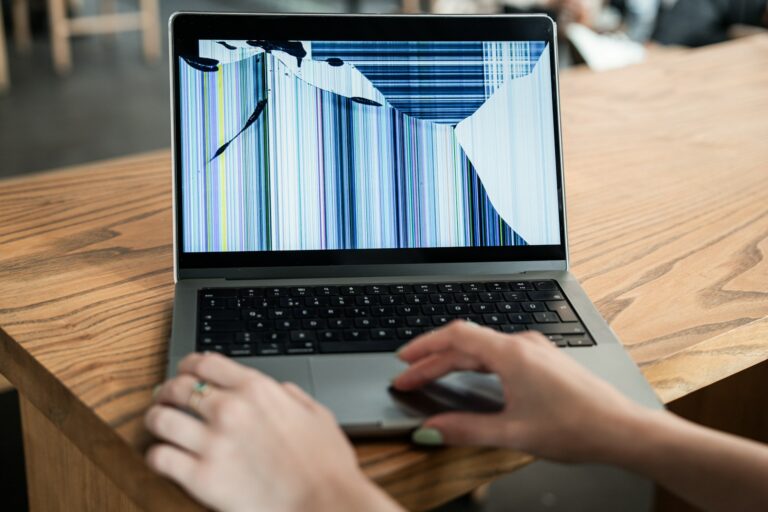
Electronic waste management involves the responsible disposal and recycling of electronic devices, such as computers, smartphones, and televisions. The processes involved in “electronic waste recycling” include collection, dismantling, and recovery of valuable materials like metals and plastics. These processes not only prevent harmful substances from entering landfills but also allow for the recovery of precious resources.
The benefits of electronic waste management are significant. By recycling e-waste, companies can reduce the environmental impact associated with mining new materials and decrease the energy consumption required for production. Furthermore, proper electronic waste disposal helps protect public health by minimizing exposure to toxic substances found in many electronic devices.
How Do Eco-Friendly Waste Disposal Solutions Work?
Eco-friendly waste disposal solutions focus on minimizing the environmental impact of waste management through sustainable practices. These solutions often involve reducing waste generation, reusing materials, and recycling whenever possible. By implementing these strategies, waste recycling companies can significantly decrease the amount of waste sent to landfills.
Sustainable Practices in Commercial and Household Waste Management
Sustainable practices in waste management vary between commercial and household contexts. For households, simple actions like composting organic waste and using reusable bags can make a significant difference. In commercial settings, businesses can adopt practices such as waste audits, which help identify areas for improvement in waste reduction and recycling efforts.
Community involvement is also crucial in promoting sustainable waste management practices. Educational programs and outreach initiatives can encourage residents to participate in recycling programs and adopt eco-friendly habits. By fostering a culture of sustainability, communities can collectively reduce their environmental footprint.
Environmental Benefits of Green Waste Management Services
Green waste management services offer numerous environmental benefits. By diverting waste from landfills, these services help reduce greenhouse gas emissions and conserve natural resources. Additionally, green waste management practices promote biodiversity by returning organic materials to the soil, enhancing its fertility.
The positive community impact of green waste management services is also noteworthy. These services can create local jobs, support economic growth, and improve public health by reducing pollution and promoting cleaner environments. As communities increasingly recognize the importance of sustainability, the demand for green waste management services continues to grow.
What Are the Best Methods for Construction Debris Recycling?
Construction debris recycling is essential for minimizing waste generated during building projects. Effective methods for recycling construction debris include reusing materials, processing waste into new products, and adhering to municipal regulations. By implementing these methods, construction companies can significantly reduce their environmental impact.
Techniques for Reusing and Processing Construction Waste
Several techniques are employed to reuse and process construction waste. For instance, materials like concrete and wood can be repurposed for new construction projects, while metals can be melted down and recycled. These practices not only reduce waste but also save costs associated with purchasing new materials.
Successful projects often showcase innovative approaches to construction waste recycling. For example, some companies have implemented on-site recycling systems that allow for immediate reuse of materials, minimizing transportation costs and environmental impact. By adopting these techniques, the construction industry can lead the way in sustainable practices.
Research further emphasizes the importance of developing and improving on-site recycling practices to enhance efficiency and product quality in construction waste management.
On-Site Construction Waste Recycling Practices
(1) developing customized on-site recycling equipment, (2) improving the efficiency of on-site recycling, (3) enhancing the quality of recycled products from on-site recycling, and (4) providing more government support. This study probes into the real-life on- and off-site waste recycling practices in Hong Kong and identifies the barriers and facilitators to implementing on-site construction waste recycling.
Implementing on-site construction waste recycling in Hong Kong: Barriers and facilitators, Z Bao, 2020
Municipal Regulations and Mandates for Construction Waste
Municipal regulations play a crucial role in governing construction waste recycling. Many cities have established mandates that require construction companies to divert a certain percentage of waste from landfills. These regulations encourage compliance and promote sustainable practices within the industry.
Understanding local regulations is essential for construction companies to ensure compliance and avoid penalties. By staying informed about municipal mandates, companies can develop effective waste management plans that align with regulatory requirements while also contributing to environmental sustainability.
How to Choose Reliable Recycling Service Providers?
Selecting a reliable recycling service provider is crucial for ensuring effective waste management. When evaluating potential providers, several criteria should be considered, including customer reviews, company ratings, and service offerings.
Evaluating Customer Reviews and Company Ratings
Customer reviews and company ratings provide valuable insights into the quality of service offered by recycling providers. Prospective clients should look for feedback on the provider’s reliability, responsiveness, and overall customer satisfaction. Online platforms and local community boards can be excellent resources for gathering this information.
Additionally, it is essential to consider the provider’s experience and expertise in the industry. Companies with a proven track record of successful waste management practices are more likely to deliver reliable services. By thoroughly evaluating customer reviews and ratings, individuals and businesses can make informed decisions when selecting a recycling service provider.
A deeper understanding of customer satisfaction with recycling services reveals its direct link to sustainable behavior and the overall effectiveness of recycling programs.
Customer Satisfaction in Recycling Services
A variable associated with sustainable behavior is the level of satisfaction with infrastructural and economic factors, which in turn relates to recycling behavior. The main aim of this study was to assess the reliability and validity of the customer satisfaction with recycling scale and to analyze its relationship with sociodemographic variables (age and gender), house location (in the center or the suburbs, population size of), and psychological variables (self-reported individual recycling behaviors, general satisfaction with recycling service companies, and the perception of costs and the quality of service).
The importance of achieving a high customer satisfaction with recycling services in communities, C Tabernero, 2016
Comparing Service Offerings and Local Availability
When choosing a recycling service provider, it is important to compare the range of services offered and their local availability. Different providers may specialize in various types of waste, such as electronic waste, construction debris, or household recyclables. Understanding the specific services available can help clients select a provider that meets their unique needs.
Cost considerations are also a critical factor in the decision-making process. Clients should obtain quotes from multiple providers to compare pricing and ensure they receive competitive rates. By carefully evaluating service offerings and local availability, individuals and businesses can choose a recycling service provider that aligns with their waste management goals.
Assessing service quality, especially within the context of low-carbon recycling logistics, is crucial for optimizing the efficiency and environmental benefits of recycling networks.
Service Quality in Low-Carbon Recycling Logistics
With the rapid growth of China’s low-carbon recycling economy, the recycling industry has become central to the renewable resources sector. This study focuses on enhancing service quality assessment in recycling reverse logistics within China’s low-carbon framework. By using the SERVQUAL and LSQ models, this research integrates online and offline approaches to recycling reverse logistics in line with low-carbon policies. Through a thorough literature review, statistical analysis, and examination of online feedback, a comprehensive evaluation index system is developed to assess service quality in recycling reverse logistics within a low-carbon context.
Service Quality Evaluation for Recycling Reverse Logistics Network Platform in Low Carbon Context, 2024
What Are the Latest Trends and Statistics in Waste Recycling?
The waste recycling industry is continually evolving, with new trends and statistics emerging each year. Understanding these trends is essential for individuals and businesses looking to stay informed about the latest developments in waste management.
Growth in Electronic Waste Recycling from 2024 to 2026
Recent projections indicate a significant growth in electronic waste recycling, with an expected increase of approximately 20% between 2024 and 2026. This growth is driven by the rising demand for electronic devices and increasing awareness of the environmental impact of e-waste. As more consumers and businesses recognize the importance of responsible electronic waste disposal, the recycling industry is expected to expand.
Case Studies on Successful Construction Waste Reuse Projects
Several case studies highlight successful construction waste reuse projects that demonstrate the effectiveness of recycling practices. For instance, a recent project in a major city diverted over 80% of its construction debris from landfills by implementing on-site recycling systems and collaborating with local recycling providers. These success stories serve as valuable examples for other companies looking to adopt sustainable practices in their construction projects.
| Recycling Method | Description | Effectiveness |
|---|---|---|
| On-Site Recycling | Immediate reuse of materials during construction | High |
| Material Repurposing | Reusing materials for new projects | Medium |
| Off-Site Processing | Transporting waste to recycling facilities | Low |