Recycling electronics at home is a simple yet impactful habit that can significantly benefit our environment. By taking small steps, such as correctly sorting and disposing of old gadgets, we can reduce waste and conserve natural resources. As technology evolves, more electronic devices make their way into the market, leading to greater disposal needs. Understanding how to recycle these items properly helps in minimizing the adverse effects they can have on our planet. Embracing home-based electronics recycling doesn’t just help the environment; it also gives us a sense of accomplishment, knowing that we contribute to a cleaner world. Imagine transforming your cluttered spaces into organized, eco-friendly areas. This process doesn’t require a significant change in lifestyle—just a few mindful decisions can make a huge difference.
Sorting and Identifying Recyclable Electronics
Before you can recycle, it’s essential to sort and identify which electronics are ready to move on. Start by categorizing your electronics into a few simple groups:
1. Outdated Gadgets: Consider items that have been replaced by newer technology or no longer serve their purpose.
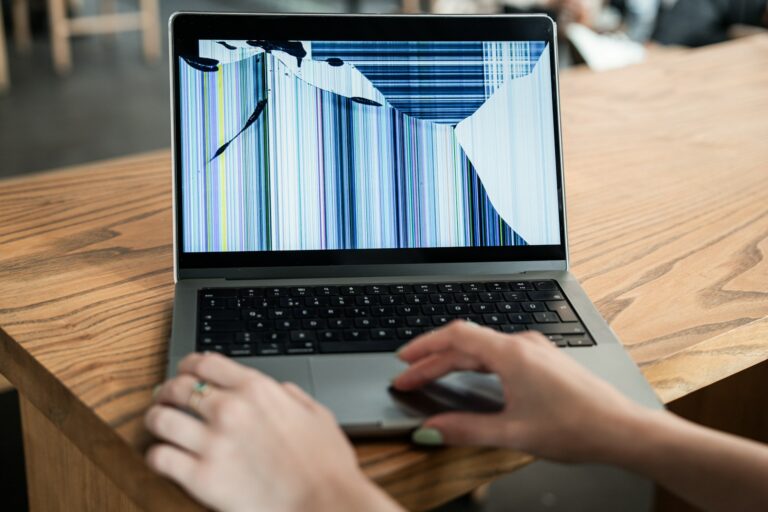
2. Broken Devices: Identify those that are beyond repair and not worth fixing.
3. Unused Items: Think about gadgets you’ve stored but no longer use, like old cell phones or chargers.
Once you’ve grouped these items, check which ones are recyclable. Many components in electronic devices, such as metals and plastics, can be repurposed. Common recyclable items include:
– Cell phones and tablets: These often contain precious metals that can be reused.
– Laptops and computers: Various components, including motherboards and screens, have recyclable materials.
– Cords and cables: These might seem insignificant, but their metal content is valuable in recycling efforts.
Understanding what can be recycled helps you make informed decisions. It’s satisfying to know that each correctly sorted item contributes to a cycle of reuse and sustainability. By simply taking inventory and learning about recyclable materials, you responsibly manage your electronics while helping to preserve the environment.
Preparing Electronics for Recycling
Once you’ve sorted through your electronics, preparing them for recycling becomes the next step. This involves ensuring that they are ready and safe to be handed over. Start by safely packaging the electronics to avoid any potential damage or hazards. Use padded envelopes or boxes, especially for delicate parts like screens and circuit boards.
Before dropping off your devices, consider the security of your personal information. Wiping data is crucial to prevent any misuse. Here’s how you can ensure your data is secure:
– Smartphones and Tablets: Perform a factory reset after removing your SIM card and external storage cards.
– Computers and Laptops: Use data-erasing software to clear files and sensitive information from the hard drives.
Reminder: Always disconnect batteries or other power sources that may become hazardous during transport. Removing all accessories like keyboards and mice ensures that they don’t get lost in the process and are recycled properly as separate items.
Finding the Right Recycling Centers in Your Area
Location matters when it comes to recycling electronics, and finding a nearby recycling center can make the task easier and more efficient. In cities like Augusta, Columbus, Macon, and Savannah, you have various options. Start by searching for authorized e-waste recyclers online or use community resources. Many local governments provide information on approved centers where you can safely drop off your electronics.
When choosing a center, it helps to know what they offer. Some centers have collection events or offer pick-up services for bulk items. Check if they handle specific electronic types, like only small gadgets or large appliances. Calling ahead can save time and ensure they accept your particular items.
Benefits of Recycling Electronics
Recycling electronics does more than just free up space in your home. It has numerous advantages that impact both the environment and the economy. By recycling, you help reduce the demand for raw materials, which can decrease energy consumption and limit pollution.
Communities benefit from these efforts as well. Recycling creates jobs and supports the local economy, all while encouraging sustainable practices. These efforts contribute to a healthier environment and demonstrate how small actions can lead to significant change.
Building a Sustainable Recycling Routine
Establishing a routine makes recycling electronics easy and manageable. Set specific times each year to review and gather unused or obsolete electronics. This could coincide with seasonal cleaning or another regular task.
Invite family members to participate, making it a shared activity. This not only spreads awareness but also ensures that the responsibility doesn’t fall on just one person. Plus, it can be a learning experience for everyone involved.
Finally, keep updated on local recycling events that collect specific items. Sometimes these events offer incentives, which can be a motivating factor in sticking to your routine.
Securing a Greener Future with Beyond Surplus
Recycling electronics is a proactive way to contribute to a healthier planet. By following the steps outlined, from sorting to finding the right recycling centers, you can make significant strides in reducing electronic waste. Each device you recycle adds up to form a larger picture of sustainability and resourcefulness. Understanding these practices and integrating them into your life encourages others to follow suit. Everyone benefits when these small, consistent actions are taken. Ultimately, making these eco-friendly choices ensures that future generations inherit a cleaner, more sustainable world.
Ready to take your environmental efforts a step further? Discover how electronics recycling can help you responsibly manage your old gadgets while supporting a sustainable future. Beyond Surplus is here to assist you in every aspect of recycling, ensuring your e-waste is handled with care. Explore our services to see how easy and rewarding it can be to make a difference.